Enter password to view case study
Turning complex manufacturing workflows into a clear, connected digital system.
Client
Meath Metal
Role
Lead Designer
Service
Product Design · UX · UI · Design System · Prototyping
Product
Live Internal Platform
Challenge
Meath Metal relied on paper documentation and manually maintained Word documents to record how components and parts should be manufactured. Keeping instructions up to date was time consuming, and outdated printed copies could lead to inconsistencies on the factory floor.
Working directly with the client, I designed a bespoke platform that brings manufacturing instructions, work orders and quality reporting into one connected system. The platform gives staff a shared source of manufacturing information, while allowing administrators to track production progress and maintain a record of completed work.

Manufacturing Knowledge Trapped in Paperwork
Manufacturing a component requires detailed knowledge of the materials, measurements, fabrication methods and processes involved. Historically, this information was documented manually, often starting on paper before being transferred into Word documents, printed and stored for future reference.
As manufacturing instructions evolved, maintaining accurate documentation became increasingly difficult.
Key Pain Points
Fragmented Documentation
Instructions, photographs and technical information had to be gathered and assembled manually, creating additional administrative work.
Outdated Information
When an instruction changed, existing printed copies could become outdated. Keeping everyone aligned with the latest version was difficult.
Limited Accessibility
Manufacturing knowledge was tied to individual documents rather than a shared system, making it harder for multiple operators to access the same up to date instructions.
How might we digitise the existing manufacturing workflow, making instructions easier to create, update and follow while giving the business better visibility into production?
Before
01
Record Information On Paper
02
Transfer To Microsoft Word
03
Print And Distribute
04
Update Documents Manually
After
01
Create Digital Instructions
02
Create Manufacturing Steps
03
Assign Them To Work Orders
04
Track Progress And Retain Records
Designing a Shared Source of Manufacturing Knowledge
Manufacturing instructions are the foundation of the platform. They preserve the knowledge required to manufacture a particular component or part, allowing another operator to follow the same process without relying solely on the original manufacturer’s experience.
I designed a system in which staff can create an instruction and build it from individual, reusable steps.
Each instruction can contain detailed manufacturing information, including text, measurements, images, PDFs and 3D models. Staff can also preview the completed instruction as a step by step guide before using it.
This replaces a manually maintained document with structured digital content that can be accessed and updated within the platform.
The Key Design Decision
Separating instructions from individual steps allows steps to be reused across multiple instructions. When a step needs to be updated, the platform provides a central place to manage that information.


Making Every Manufacturing Step Cctionable
An instruction defines the overall process, while individual steps describe the work that needs to be carried out.
I designed a flexible step system that supports different types of manufacturing information. A step can contain written instructions, photographs, technical PDFs, 3D models and structured inputs for information that needs to be recorded during production.
Steps can then be attached to one or more instructions, helping staff reuse existing manufacturing knowledge rather than repeatedly recreating the same content.
Why this Matters
Not every manufacturing task requires the same information. Some steps may need a written description, while others depend on a technical drawing, a measurement or visual confirmation.
The system needed to accommodate those differences without forcing every instruction into a rigid template.


Connecting Instructions to Production
Instructions describe how to manufacture a component. Work orders connect that knowledge to a specific customer request and the quantity of work that needs to be completed.
An administrator creates a work order, assigns it to a customer, links the relevant manufacturing instruction and specifies the number of items to produce.
For example, if a customer orders ten identical components, the administrator can create ten work items under the work order. One or multiple operators can then carry out the manufacturing steps associated with those items.
I designed the workflow to connect each work item with its instruction and progress, giving administrators a clearer view of what is pending, in progress or complete.
Tracking Production
As operators complete individual steps, the system records the completion date and the operator responsible. This creates a record of who worked on each item and when, while allowing administrators to monitor progress across the work order.


Building Quality Reporting Into Production
Manufacturing issues need to be recorded, investigated and resolved, rather than disappearing into informal conversations or separate documents.
The platform allows an operator to raise a Non-Conformance Report when an issue is identified during a work order. The report can be associated with the relevant customer, work order, instruction and manufacturing step.
The issue can then be investigated, with additional information and corrective actions recorded as part of the report.
This creates a structured record of what went wrong, how the issue was investigated and how it was addressed.
Why this Matters
By connecting quality reporting to the manufacturing workflow, the platform helps preserve the context surrounding an issue. The report is not just an isolated record: it can be traced back to the work and instruction involved.


Bringing the System Together
The platform connects several activities that were previously managed through separate documents and manual processes.
Manufacturing instructions preserve the knowledge needed to produce a component. Reusable steps make that knowledge easier to maintain. Work orders connect instructions to customer requests and production quantities. The Operator interface supports execution and records progress, while non-conformance reports provide a structured way to document and investigate issues.
Together, these capabilities create a connected workflow spanning manufacturing preparation, production and quality reporting.
Why this Matters
By connecting quality reporting to the manufacturing workflow, the platform helps preserve the context surrounding an issue. The report is not just an isolated record: it can be traced back to the work and instruction involved.

From Manual Documentation to a Connected Digital System
The resulting platform is now used internally by Meath Metal.
It brings manufacturing instructions, work orders, operator activity and non-conformance reporting into a single system. Staff can maintain structured manufacturing knowledge, access instructions through the platform and record production progress, while administrators can monitor work orders and review the associated records.
The project transformed a collection of manual documentation processes into a connected digital workflow designed around the company’s existing manufacturing environment.
I would avoid adding numerical claims about time saved or reduced errors unless Meath Metal has supplied evidence to support them.
Designing for the Realities of Manufacturing
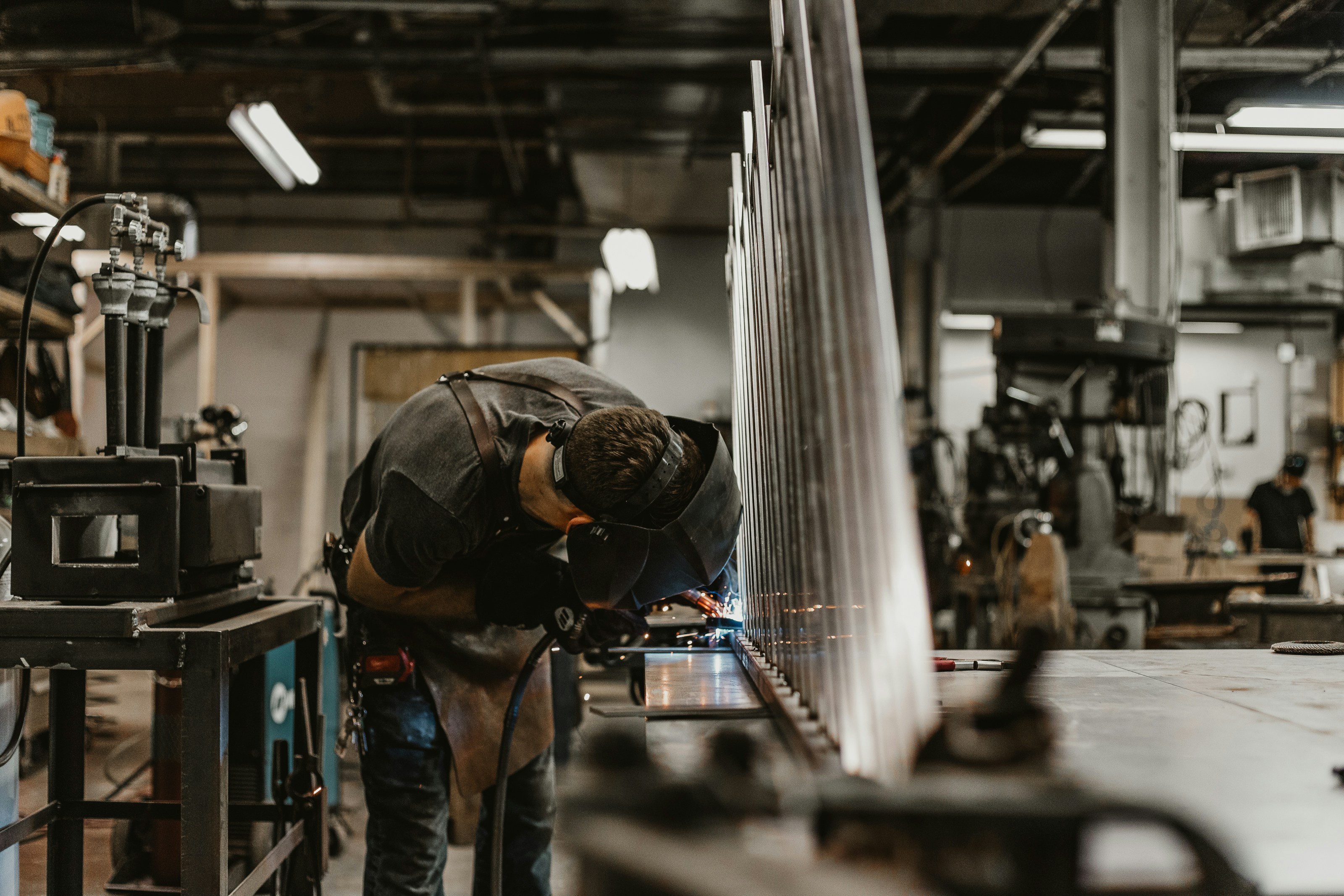
This project reinforced the importance of understanding how people work before deciding how a system should operate.
Through direct meetings with the client, I was able to understand the existing paper based processes, the information required to manufacture individual components and the challenges involved in maintaining accurate records.
The central design challenge was balancing flexibility with consistency. Manufacturing instructions needed to support different components and requirements, while operators needed a clear and practical way to follow them.
By structuring the platform around reusable steps, work orders and production records, I designed a system that could accommodate different manufacturing workflows while maintaining a consistent underlying structure.